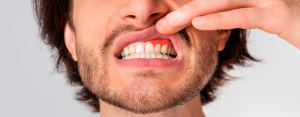



Getting enough sleep each day is essential for both physical and mental health. This article explains how oral health can affect your sleep quality.
Want to learn more? Keep reading.
The Most Common Oral Conditions That Affect Sleep
On the one hand, a good night’s sleep supports memory consolidation, learning, and immune system function.
On the other hand, poor sleep affects cognition and causes irritability.
Some oral conditions that may interfere with sleep include:
- Bruxism
Many people with bruxism do not know they have it.
It is characterized by teeth grinding during the night and is usually linked to stress and anxiety. It mainly affects young people, and in many cases, improves with age.
Bruxism can damage gums, cause morning headaches, lead to jaw and neck problems, and result in tooth wear or fractures.
Treatment often focuses on reducing stress and anxiety. When the condition persists, dentists usually recommend wearing a customized night guard.
If a tooth fractures, dental veneers may be considered.
These devices, made from different materials, restore the natural shape, color, and brightness of healthy teeth.
Before choosing this procedure, always consult your dentist to ensure you receive the most appropriate treatment—for example, dental contact lenses..
- Snoring
Snoring occurs when airflow is partially blocked, producing a characteristic sound. It is often associated with alcohol or sedative use.
This condition can also cause dry mouth and throat, which increases the risk of infections, cavities, and tartar buildup.
In cases of advanced cavities, tooth extraction may be necessary, followed by an implant. Have a look at its costs and take care of your teeth.
Snoring can also be related to misaligned teeth. If your dentist identifies this as the cause, they may recommend a corrective treatment.
Generally, this treatment is carried out either with traditional braces or Invisalign.
- Obstructive Sleep Apnea
Obstructive sleep apnea (OSA) is a serious disorder in which breathing repeatedly stops during sleep due to airway obstruction.
This occurs when the throat and tongue muscles relax excessively, blocking airflow. The most common symptoms include:
- Loud and frequent snoring
- Breathing pauses during sleep
- Dry mouth
- Morning headaches
If left untreated, sleep apnea can lead to cardiovascular disease.
Drops in blood oxygen during breathing pauses can stress the brain, interrupt deep sleep, and raise blood pressure.
Treatment usually involves oral appliances that keep the airway open, often combined with speech therapy. Reducing alcohol consumption is also strongly recommended.
Oral Care and a Good Night’s Sleep
Maintaining good oral hygiene means brushing at least three times a day and flossing once daily, preferably before bed.
Those who suffer from apnea, snoring, or bruxism should use the specific devices recommended by their dentist or specialist. Avoid alcohol and sedatives before bedtime, as they can worsen sleep problems.
If you don’t already have an oral device, consult your dentist. They can perform a proper evaluation, request imaging studies if necessary, and recommend a customized device tailored to your bite.
Regular dental checkups are also important, not only for aesthetics but for complete oral health. During these visits, you can benefit from professional cleaning in areas that are hard to reach at home. If you notice stains or discoloration, you might also consider laser whitening to enhance your smile.
This content was developed by the Status Fit Center team, a blog created to promote health and wellness by highlighting the importance of regular care.