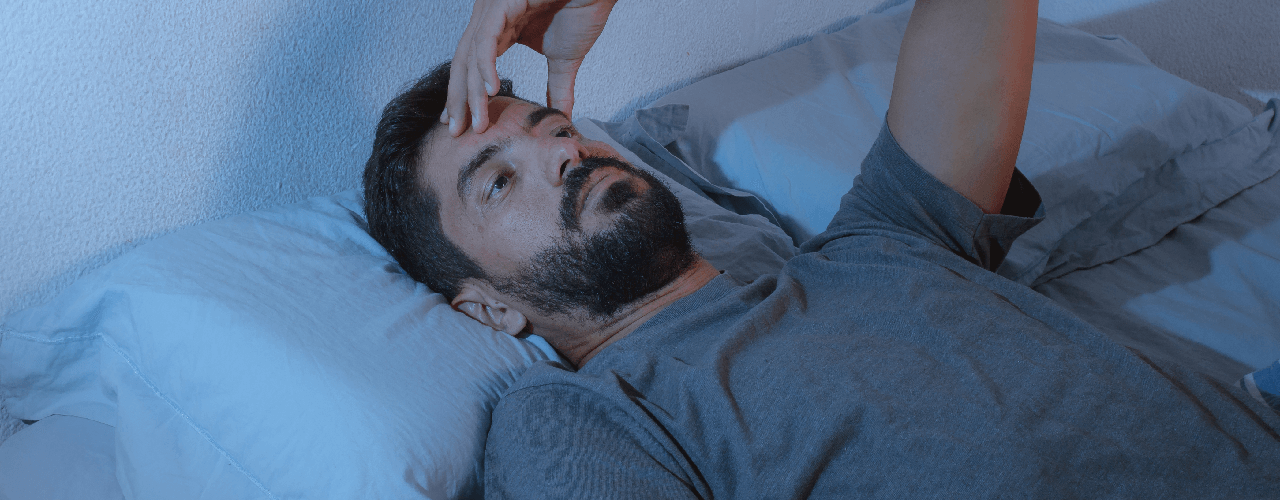


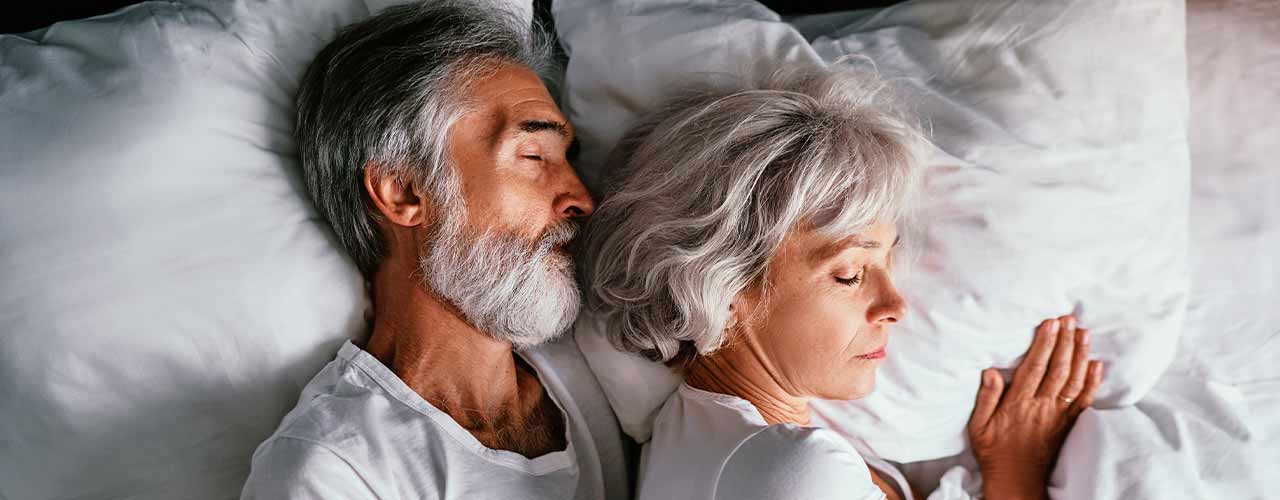
As people age, they experience psychological, social, and physical changes. Among the physical changes, altered sleep patterns are one of the most frequent complaints in older adults. Aging also affects both sleep architecture and quality.
In most elderly individuals, sleep efficiency and slow-wave sleep are reduced. Waking up after initially falling asleep becomes common, as do difficulties falling back asleep. In addition, older adults often wake up earlier, require daytime naps, and tend to increase their medication intake.
Overall, sleep disorders are highly prevalent in this population, especially insomnia, sleep apnea (OSA), and parasomnias such as restless legs syndrome and periodic limb movements.
Sleep Apnea Prevalence in the Elderly
According to various studies, 40% of adults over 65 years are dissatisfied with their sleep or report a related disorder. These problems are linked to declines in physical, cognitive and emotional health, reduced quality of life, impaired social functioning, increased depression, and even elevated morbidity and mortality risk.
Older adults often experience a decrease in deep N3 and REM sleep stages, with a corresponding increase in N1 and N2 stages.
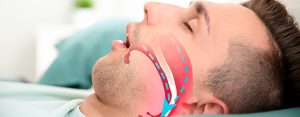
One of the most prevalent disorders in this age group is obstructive sleep apnea (OSA), characterized by snoring and recurrent episodes of complete (apneas) or partial (hypopneas) airway obstruction.
During sleep, the muscles of the pharynx and tongue relax, just like the rest of the body. This relaxation can obstruct the upper airway, restrict airflow, and cause snoring and breathing pauses. As a result, oxygen levels in the lungs and brain drop, forcing the central nervous system to intervene and reopen the airways. At that moment, the individual produces a loud snore and experiences a micro-arousal that, although unconscious, fragments sleep.
People with OSA frequently present with excessive daytime drowsiness, non-restorative sleep, and memory and concentration problems. The condition is also associated with hypertension, diabetes, arrhythmia, gastroesophageal reflux stroke and cognitive decline, among other complications.
Thirty or more apneas per night are considered pathological. The most common symptoms include loud snoring, irregular breathing, restless sleep, excessive daytime drowsiness, and morning headaches. Beyond age, risk factors include obesity, heavy alcohol consumption, smoking, and anatomical alterations of the upper airways.
Management of Sleep Apnea in Older Adults
Treatment should begin with basic lifestyle measures: weight loss, smoking cessation, and alcohol abstinence. If symptoms persist after addressing risk factors, the use of continuous positive airway pressure (CPAP) is recommended. CPAP remains the gold standardtreatment because of its effectiveness, but some patients reject it, use it incorrectly, or face financial barriers to access.
Early diagnosis is critical to preventing secondary complications such as cardiovascular disease, depression, anxiety, and alcohol dependence.
Some behavioral strategies can also improve the well-being of older adults:
- Limit fluid intake before bedtime to reduce nighttime urination.
- Avoid stimulants such as caffeine and alcohol.
- Eat the last meal three to four hours before bed to allow for digestion.
- Avoid strenuous physical activity or heavy tasks before bedtime.
- Take a warm, relaxing bath before going to sleep.
- Do not use electronic devices in bed (TV, smartphones, tablets).
- Keep the bedroom comfortable: quiet, dark, and at a proper temperature. Use appropriate pillows and mattresses.
- Get regular sunlight exposure to help regulate circadian rhythms.
- Maintain consistent sleep and wake times, including on weekends.
- Avoid long naps after lunch; ideally, limit naps to 30 minutes. This helps regulate the biological clock and makes it easier to fall asleep at night.
In conclusion, to ensure a good quality of life in older age, healthy sleep is essential for maintaining both psychological well-being and physical functioning. When sleep disorders, whether subtle or obvious, are left untreated, they can affect social, professional, and family life. In severe cases, they may contribute to job loss, relationship strain, worsening health, psychiatric complications, and even increased risk of death.
DISCLAIMER: Only properly qualified physicians can diagnose diseases, recommend treatments and prescribe medications. The information available herein is for educational purposes only.